What is ADAS?
Advanced Driver Assistance Systems (ADAS) are vehicle technologies designed to help drivers avoid collisions and improve safety through features such as automatic emergency braking, lane departure warning, adaptive cruise control, and blind spot monitoring. Because ADAS relies on cameras, sensors, and radar systems, even minor collision repairs can affect performance and require calibration. Understanding ADAS is essential for performing complete, safe, and quality repairs while supporting OEM repair procedures and standards.
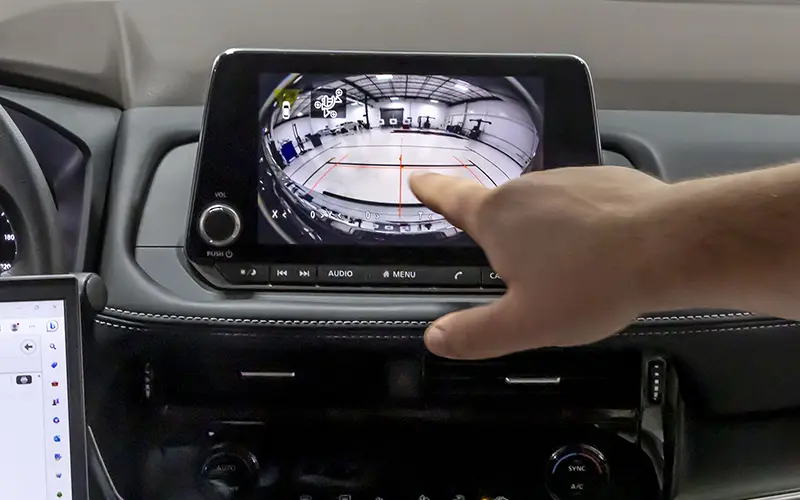
Common ADAS Questions
Recalibration means resetting ADAS sensors after repairs. This is critical after replacing windshields, bumpers, or suspension components, or after any structural work that could affect sensor alignment.
When a windshield is replaced, the forward-facing camera mounted behind it must be recalibrated. This ensures systems like lane departure warning and adaptive cruise control function properly.
Calibration means ensuring all ADAS sensors are properly aligned and communicating with the vehicle’s control systems. It’s a key step in post-repair safety validation.
ADAS sensors may be found:
- Behind the windshield (camera)
- In the front and rear bumpers (radar and sonar)
- In side mirrors (blind spot detection)
- Around the vehicle perimeter (ultrasonic sensors)
Technicians must inspect these areas after any impact.
- Forward collision warning
- Lane keeping assist
- Blind spot monitoring
- Parking assist
- Adaptive cruise control
These systems rely on precise sensor placement and may require recalibration or replacement.
Technologies include:
- Automatic emergency braking
- Lane departure warning
- Pedestrian detection
- Cross-traffic alert
- Driver attention monitoring
Collision repair shops must ensure these systems are restored to OEM specs.
ADAS helps prevent future accidents. Proper calibration after repairs ensures the vehicle’s safety systems are fully functional, protecting both the driver and others on the road.
Technicians should be aware of these SAE levels:
- Level 0: No automation
- Level 1–2: Driver assistance (ADAS)
- Level 3–5: Increasing levels of autonomy
Most collision repair work today involves Level 1–2 systems, which require technician intervention for calibration.
It means using OEM-approved tools and procedures to realign ADAS sensors after repairs. Calibration is essential for restoring vehicle safety.
Dynamic calibration often involves self-calibration, where the vehicle adjusts its sensors during a test drive under specific conditions.
Car calibration ensures that all safety systems are functioning as intended. It’s a critical final step in the repair process, especially for vehicles with ADAS.
Safety devices like airbags, seatbelts, and ADAS systems must be inspected and tested after a collision. Proper repair and calibration ensure they’ll perform correctly in future incidents.
ADAS Video Playlist
Watch the essentials of ADAS and how it impacts collision repair from sensor calibration to restoring safety systems after a crash.

ADAS Education
Learn how to diagnose, calibrate, and restore advanced safety systems with confidence with online and hands‑on courses.
Platinum Path
ADAS is one of the fastest-growing specialties in collision repair. As vehicles become more complex, shops need experts who can restore advanced safety systems with precision. Whether you're building your career or future-proofing your business, ADAS expertise ensures safer, OEM-compliant repairs and sets you apart in a rapidly evolving industry.